
 Search
Learning | Energy & Commodity Derivatives
What is a Power Purchase Agreement?
Introductory Summary
A Power Purchase Agreement (PPA) is a contractual arrangement under which electricity is purchased or sold between parties, typically over an agreed period and according to defined pricing, volume and delivery or settlement terms.
PPAs are commonly used to support renewable generation. For a purchaser, a PPA can provide access to electricity, including renewable electricity, without owning the underlying generation asset. For a generator, it can provide greater certainty over future revenues.
However, PPAs can be structured in different ways, and those differences can significantly affect how value and risk are allocated between the parties.
The structure of the agreement determines how electricity is supplied or settled, how the contracted volume is determined and which party bears uncertainty associated with changes in generation, consumption and market prices.
Understanding how a PPA works and how its risks are allocated is therefore an important first step before considering the valuation or hedging of a PPA.
How Does a Power Purchase Agreement Work?
A PPA establishes the commercial terms under which electricity is purchased or sold. Depending on the agreement, these terms may specify the contract price or pricing mechanism, the volume of electricity covered, the duration of the agreement and how electricity is physically delivered or financially settled.
Why the Structure of a PPA Matters
A PPA is more than an agreement to buy electricity at an agreed price. The contract also defines how the electricity is supplied, when it is delivered, how the contracted volume is determined and which party bears the uncertainty when actual generation differs from expectations.
For example, a purchaser taking electricity on a pay-as-produced basis may receive very different volumes from one period to the next. A purchaser under a fixed-volume arrangement may instead have a much more predictable delivery profile, with the generator retaining more of the volume risk.
The price of the PPA will reflect these differences. A structure that transfers more risk to the purchaser may be priced differently from one in which the generator or another intermediary takes responsibility for that risk.
Physical and Financial PPAs
PPAs can differ in several ways. One distinction is whether the arrangement involves physical delivery or financial settlement. Another is how the contracted volume is determined and which party bears the associated volume risk.
Physical PPAs
A physical PPA involves the contractual purchase and delivery of electricity from the generator, subject to the specific delivery and settlement terms of the agreement.
The purchaser may therefore need to consider not only the agreed contract price, but also how the physical generation profile relates to its own consumption, market position and other contracts.
Financial PPAs
A financial PPA provides an economic exposure to the generation or electricity price without requiring the same physical delivery arrangement.
Settlement is generally based on the difference between a contractual price and a reference market price, although the precise mechanics depend on the contract.
The distinction between physical and financial PPAs can therefore affect the operational and market risks that need to be considered.
Pay-as-Produced PPAs
A Pay-as-Produced PPA links the volume delivered to the actual output of the renewable asset.
The purchaser therefore does not acquire a fixed quantity of power. Instead, the volume varies according to the output of the underlying wind, solar or other renewable asset.
This introduces volume uncertainty. A wind farm will not produce the same quantity of electricity in every hour, while solar generation varies according to irradiance, weather and daylight.
There can also be shape risk because the timing of production does not necessarily match the shape of market prices or the hedge used to manage the PPA. The purchaser may therefore be exposed to the interaction between the amount of electricity generated and the power price at the time it is generated.
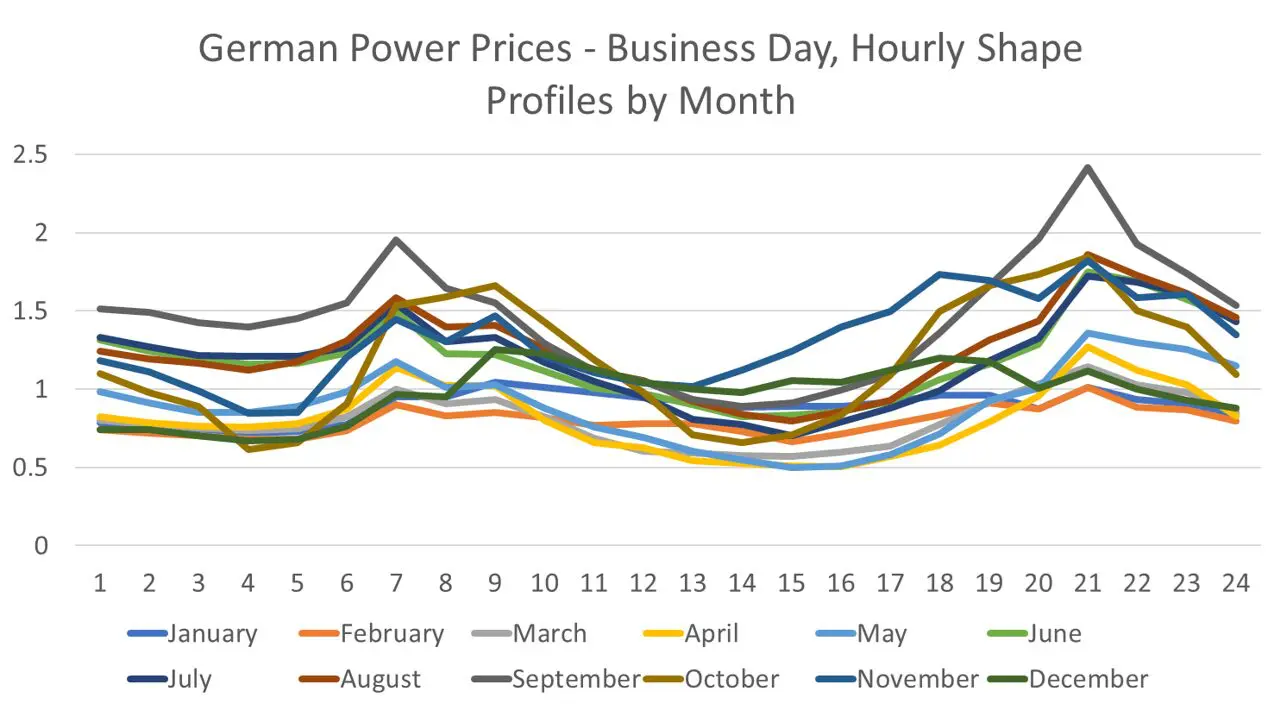
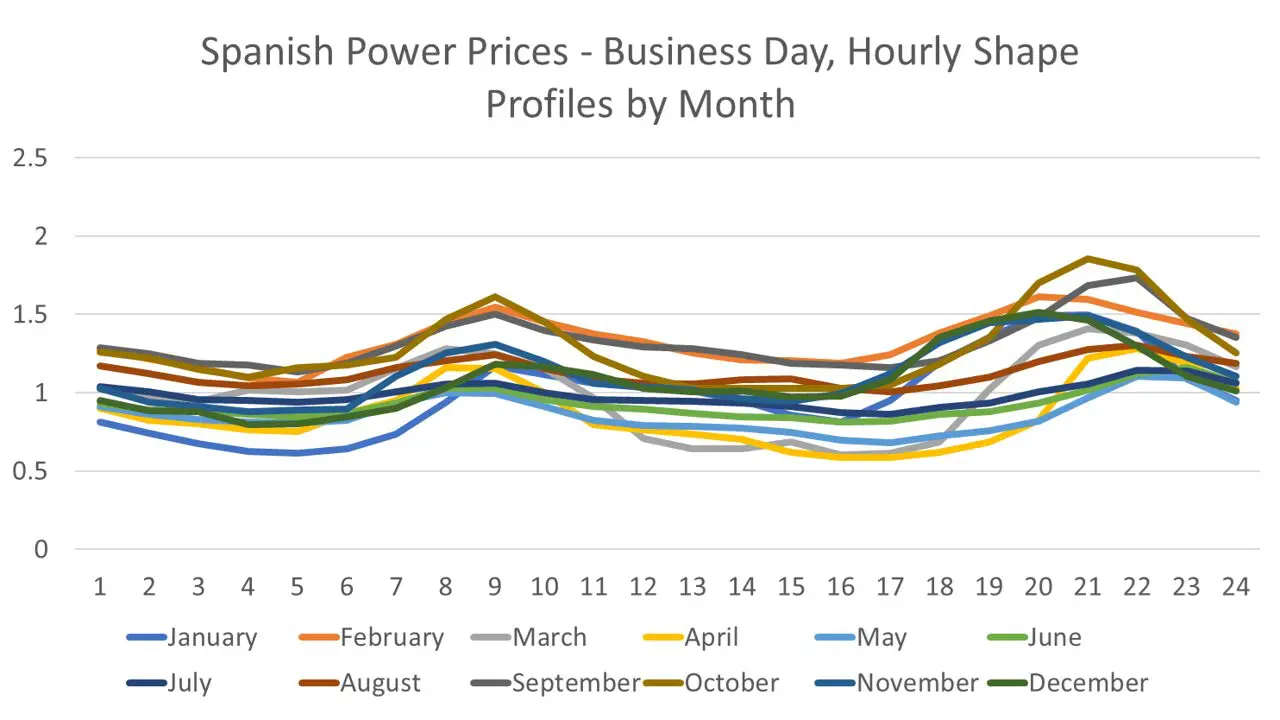
This can make pay-as-produced PPAs relatively complex to value and hedge.
Fixed Volume Delivery PPAs
Under a Fixed Volume Delivery structure, the quantity of electricity to be delivered is agreed in advance.
This transfers some or all of the volume uncertainty away from the purchaser.
If the renewable asset produces less than the contracted volume, the generator may need to source the shortfall from the market or another source, depending on the contractual terms. The purchaser therefore receives a more predictable volume profile, but this additional risk transfer generally has a price.
From a risk perspective, the key difference is that the generator retains greater exposure to the variability between actual production and the contracted delivery volume.
Pay-as-Consumed PPAs
A Pay-as-Consumed PPA links the volume purchased to the purchaser’s consumption profile.
This provides a closer match between electricity procurement and actual demand and can transfer a significant amount of volume risk away from the purchaser.
For the purchaser, this can make the arrangement easier to integrate into a broader consumption and procurement strategy. However, because more risk is being transferred to the seller, these structures may be more expensive than arrangements in which the purchaser accepts greater volume uncertainty.
Where Does the Risk Sit?
The three structures can be viewed as different ways of allocating uncertainty between the parties.
| PPA structure | Purchaser’s volume exposure | Generator’s volume exposure | Relative complexity for the purchaser |
|---|---|---|---|
| Pay-as-Produced | Higher | Lower | Higher |
| Fixed Volume Delivery | Lower | Higher | Moderate |
| Pay-as-Consumed | Lower | Higher | Lower |
These are broad distinctions rather than universal rules. The actual exposure depends on the detailed contract terms, settlement arrangements, pricing structure and any additional protections or obligations.
The important question is therefore not simply which PPA is cheapest, but which risks are being transferred and whether that risk transfer is appropriate for the participant taking the contract.
Consider Your Role Before Choosing a PPA
The appropriate PPA structure depends heavily on the role of the participant.
A renewable developer may place greater importance on revenue certainty and the ability to finance or support an asset. A utility or aggregator may be more focused on managing volume uncertainty across a broader portfolio. A corporate buyer may place greater importance on matching electricity procurement to its consumption profile, while a financial participant may focus more heavily on price and market risk.
The factors to consider include:
- whether you are taking on price risk from the cost or revenue elements of the PPA;
- whether you are exposed to volume risk;
- whether the generation profile matches your requirements;
- what costs are associated with transferring those risks; and
- whether the structure fits your existing risk-management capabilities.
A PPA that looks attractive on headline price may therefore be less attractive once the associated volume, shape or balancing exposures are considered.
From PPA Structure to PPA Valuation
Once the structure of the PPA is understood, the next question is how to quantify its value and risk.
This is particularly important for arrangements where the purchaser takes the actual output of a renewable asset.
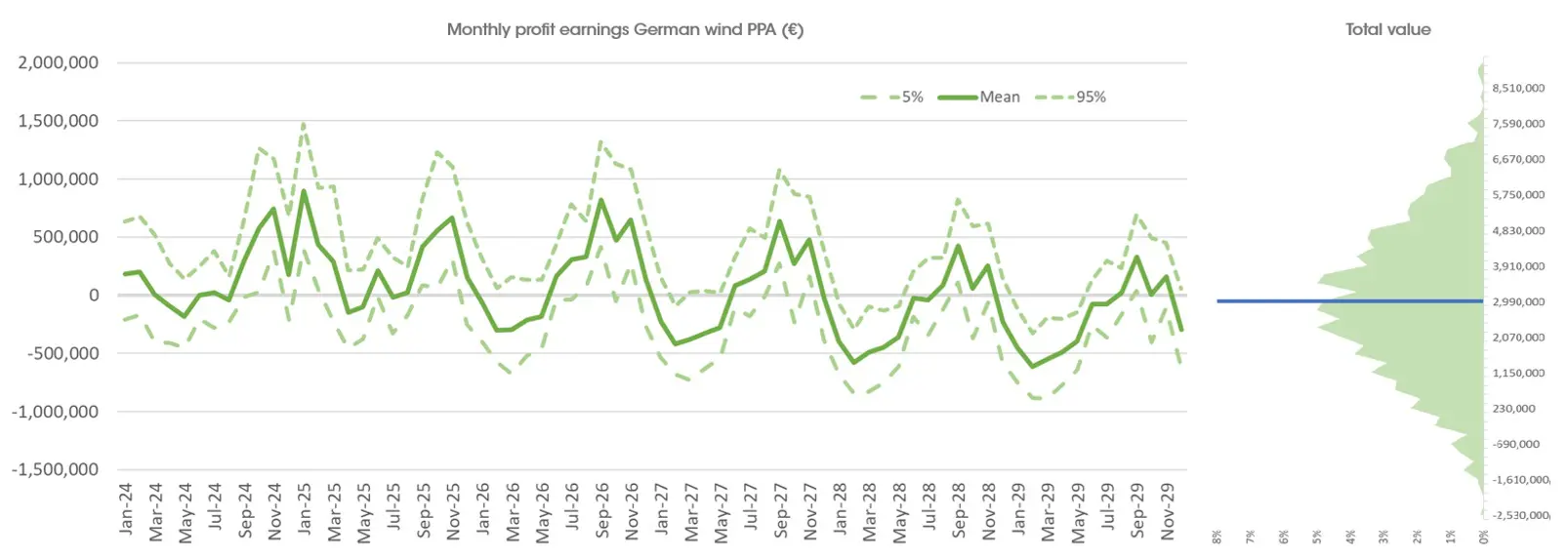
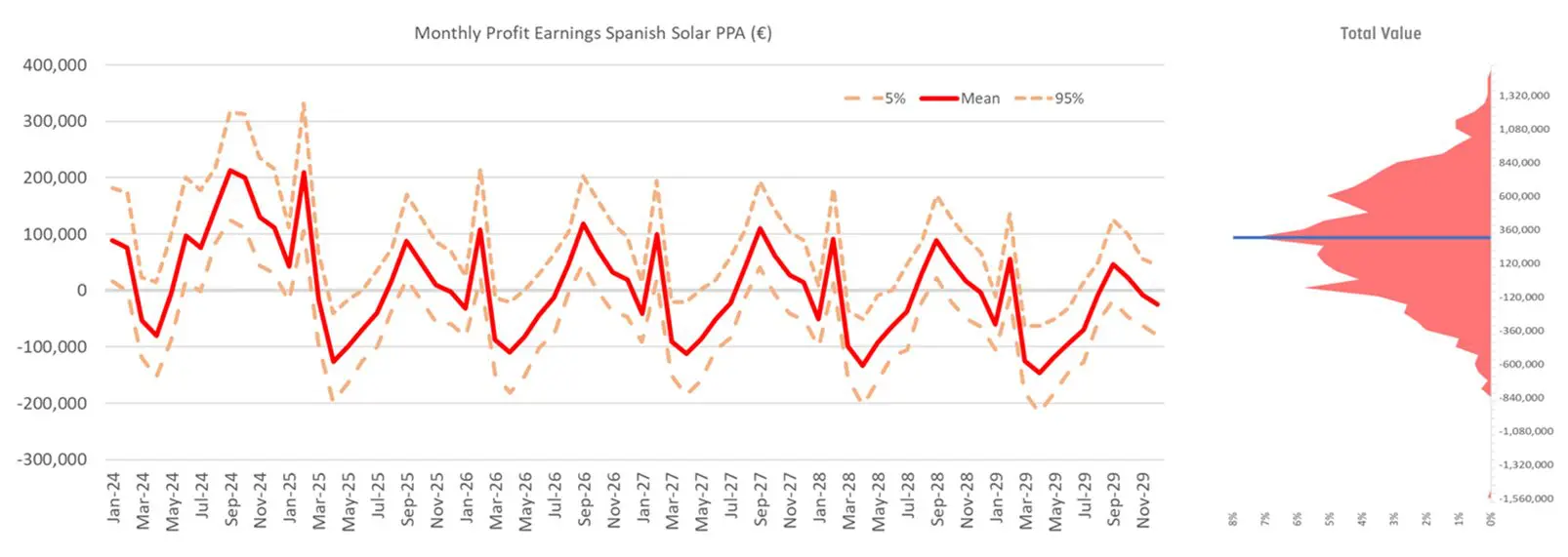
The value of a pay-as-produced PPA, for example, depends not only on the contractual price but also on the amount of electricity generated, when it is generated and what power prices look like during those periods.
Understanding those interactions requires a more detailed valuation and risk framework. For more information, see the ‘How to Value Power Purchase Agreements (PPAs)’ article.
One-Sentence Takeaway
A Power Purchase Agreement (PPA) is a contract for the purchase or sale of electricity whose physical or financial structure and volume terms determine how price, generation, volume and other risks are allocated between the parties.
Related Learning Resources
How to Value Power Purchase Agreements (PPAs)
Learn how price, generation, volume and shape characteristics are incorporated into PPA valuation and risk analysis.
How to Hedge Power Purchase Agreements (PPAs)
Explore how different hedging strategies can be used to manage the price, volume and shape exposures created by a PPA.
Understand how forward contracts establish agreed future prices and why they are important building blocks for energy-market valuation and hedging.
Learn how forward curves represent current market pricing expectations and support valuation and risk management.