
 Search
Learning | Energy & Commodity Derivatives
What is Spark Spread Risk?
Introductory Summary
Gas-fired power generation economics are shaped by two linked but independently traded markets: electricity and natural gas.
Electricity prices determine revenue, while gas prices determine the cost of production. Because both inputs move independently, generator margins can change even when one side of the equation appears stable.
Spark spread risk captures this exposure. It reflects the risk that movements in gas prices, electricity prices, or both will change the margin earned from gas-fired generation.
This makes spark spread risk central to trading, hedging, and optimisation decisions in gas-fired power portfolios.
Definition
Spark spread risk is the risk that changes in electricity and gas prices alter the margin earned from gas-fired generation.
For a gas generator, profitability depends on the difference between the electricity price received and the gas cost incurred to generate that electricity.
When this difference widens, generation economics improve. When it narrows, margins compress and generation may become uneconomic.
Unlike single-commodity price exposure, spark spread risk is fundamentally about how two markets interact in real time.
Why Spark Spreads Matter
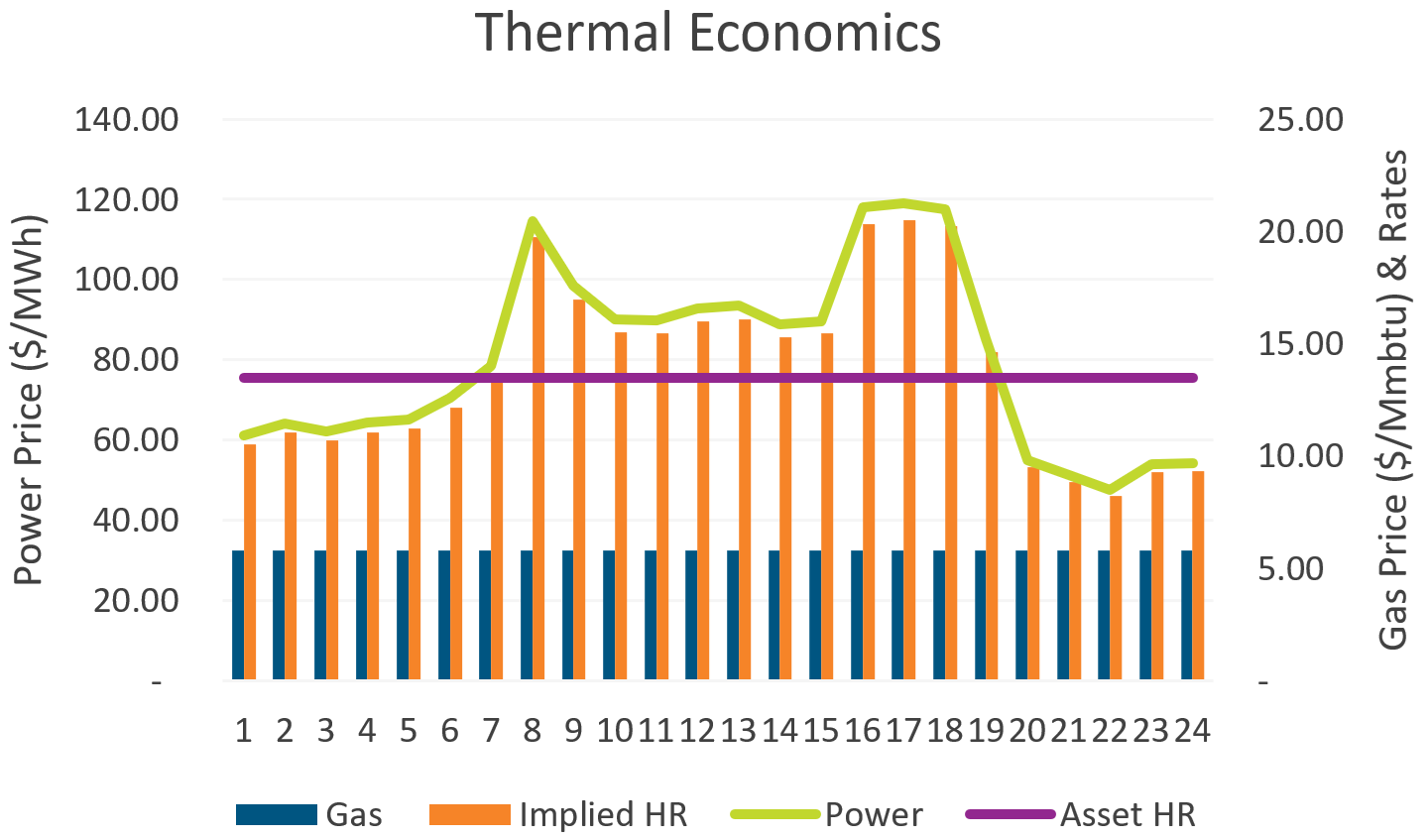
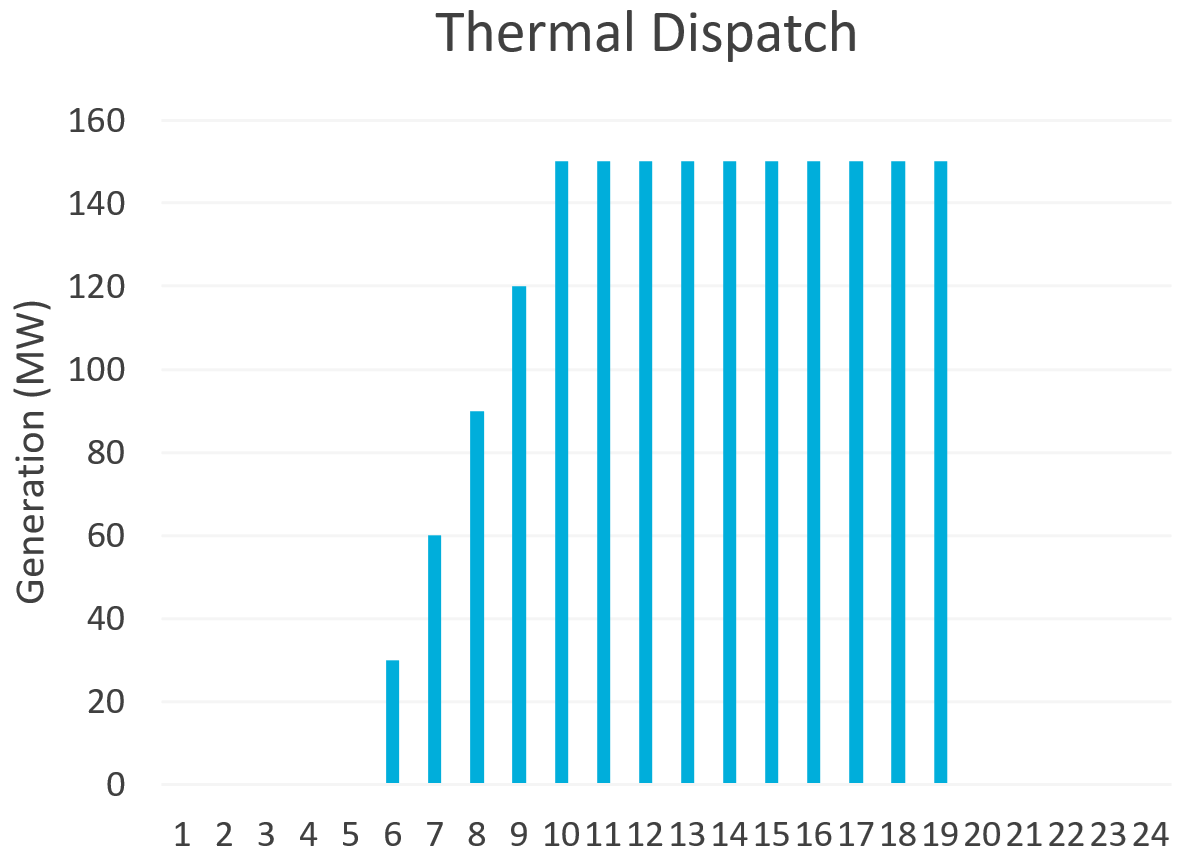
Gas-fired generation is highly responsive to short-term market conditions. Plants may be dispatched or shut down depending on whether spark spreads are positive, meaning profitability can change quickly as prices move.
Key characteristics include:
- dispatch decisions that can change as market conditions evolve
- exposure to fast-moving gas hub pricing
- sensitivity to short-term power price volatility
- strong link between market signals and dispatch decisions
As a result, spark spread risk is not only about the level of electricity and gas prices, but also about when those prices move relative to each other and when generation can respond.
Key Drivers of Spark Spread Movements
Electricity Market Conditions
Power prices are influenced by demand patterns, weather, renewable output, transmission constraints, and broader system fundamentals.
Gas Market Pricing
Gas prices are shaped by things like supply availability, storage levels, and global energy demand dynamics.
Plant Efficiency
More efficient plants require less gas per unit of electricity, improving resilience to adverse gas price movements.
Volatility and Timing Effects
Because both power and gas markets can move quickly, short-term misalignment between them can create significant swings in spark spreads.
Spark Spread Risk in Practice
Consider a generator planning production over the next quarter. If electricity prices remain stable but gas prices rise, margins may compress. Alternatively, if power prices fall while gas prices remain unchanged, the same outcome occurs.
Even if one market behaves as expected, the other can offset or reverse expected profitability.
The key insight is that generation economics depend on the relationship between electricity and gas markets. The correlation between the two markets, their relative volatility, and the timing and magnitude of price movements all influence how the future spark spread evolves.
Managing Spark Spread Exposure
Market participants manage spark spread risk using a combination of:
- forward electricity contracts
- gas hedging strategies
- structured spark spread positions
- dispatch optimisation
- portfolio diversification across assets and regions
For many participants, understanding the exposure is the first challenge. Managing it effectively is the second.
Effective management typically requires aligning fuel procurement, power sales, and operational flexibility.
Common Misunderstandings
Spark Spread Risk and Dark Spread Risk Are Completely Different Risks
Spark spread risk and dark spread risk are closely related concepts.
Both describe the risk that changes in the relationship between electricity prices and fuel costs affect generation profitability. The primary difference is the fuel being considered: spark spreads relate to natural gas, while dark spreads relate to coal.
Understanding both concepts helps participants compare the economics of different generation technologies.
How Spark Spread Risk is Analysed
In practice, spark spread exposure is embedded within broader portfolios containing physical assets, fuel contracts, and hedging positions.
Because decisions affect both revenue and cost simultaneously, participants often rely on integrated valuation and risk models to assess outcomes consistently across changing market conditions.
Tools such as Lacima Analytics are particularly important in portfolios with multiple assets, where optimisation decisions must be made across time, markets, and operational constraints.
This becomes increasingly important as generation portfolios incorporate renewable assets, storage technologies, and more complex market structures.
One-Sentence Takeaway
Spark spread risk reflects the changing relationship between electricity prices and gas costs, making it a key driver of profitability for gas-fired generation assets.
Related Learning Resources
Learn how dark spread risk affects coal-fired generation assets and how it differs from spark spread risk.
Understand how relationships between energy and commodity prices influence portfolio risk and valuation.
What is an Energy Trading and Risk Management (ETRM) System?
Understand what ETRM systems do, where their limitations lie, and why organisations complement them with specialist valuation and risk analytics.
Understand how changes in energy and commodity prices create market risk and affect the value and exposure of trading portfolios.