
 Search
Learning | Foundations of Energy Risk
What is Scenario Analysis?
Introductory Summary
Energy and commodity markets are shaped by uncertainty. Prices move, demand changes, infrastructure fails, regulations evolve, and unexpected events can quickly alter market dynamics.
Scenario analysis is a technique used to explore the potential impact of these changes before they occur. By assessing how a portfolio or business would perform under different market conditions, participants can better understand risk, test assumptions, and support decision-making.
Unlike forecasting, scenario analysis does not attempt to predict the future. Instead, it helps answer a practical question:
“What would happen if market conditions developed in a particular way?”
Definition
Scenario analysis is the process of evaluating how a portfolio, asset, or business may perform under a defined set of assumptions. Those assumptions might relate to:
- commodity prices
- volatility levels
- demand patterns
- weather conditions
- fuel costs
- market spreads
- regulatory changes
The objective is to understand how sensitive outcomes are to changing market conditions and identify where significant risks or opportunities may exist.
Why Scenario Analysis Matters
Many risk measures reduce uncertainty to a single number. Scenario analysis takes a different approach.
Rather than asking:
“How much risk do we have?”
Scenario analysis asks:
“How would our portfolio behave if this market environment occurred?”
This makes it particularly valuable when participants need to evaluate:
- potential future outcomes
- strategic decisions
- investment opportunities
- hedging effectiveness
- exposure to specific market events
In energy markets, where portfolios often contain complex physical and financial exposures, this additional context can be just as important as the risk metrics themselves.
Common Types of Scenario Analysis
Market Scenarios
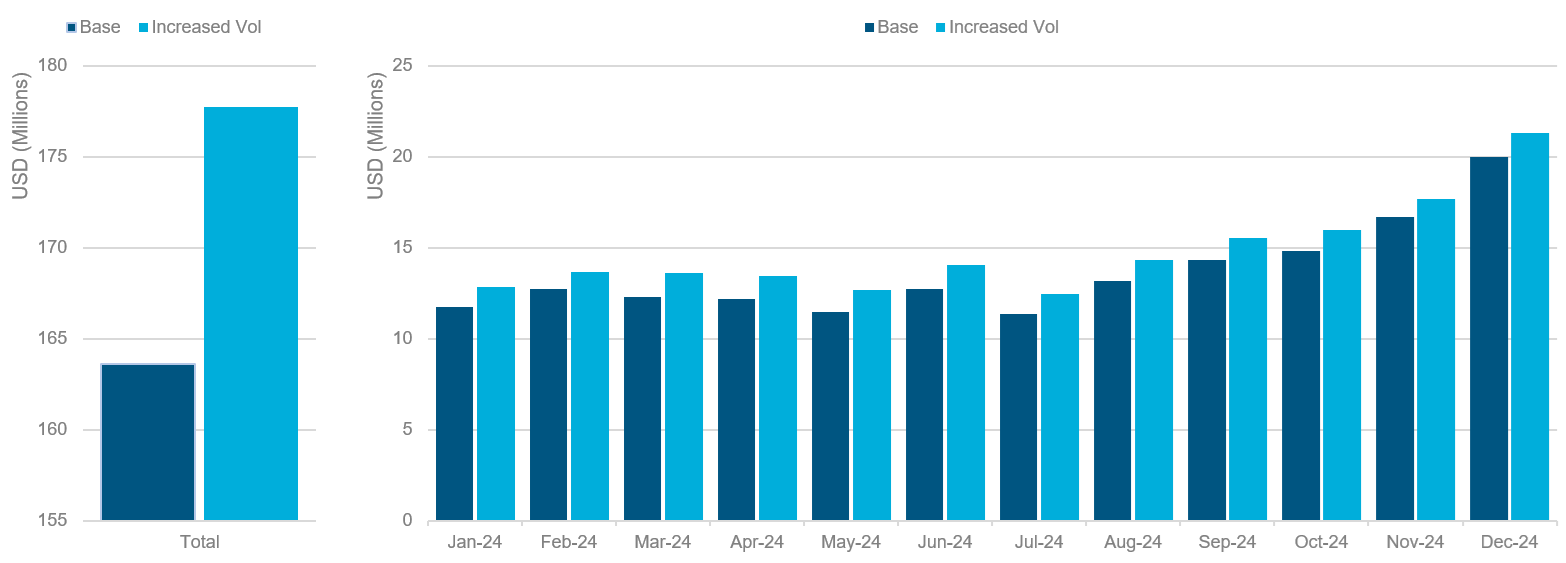
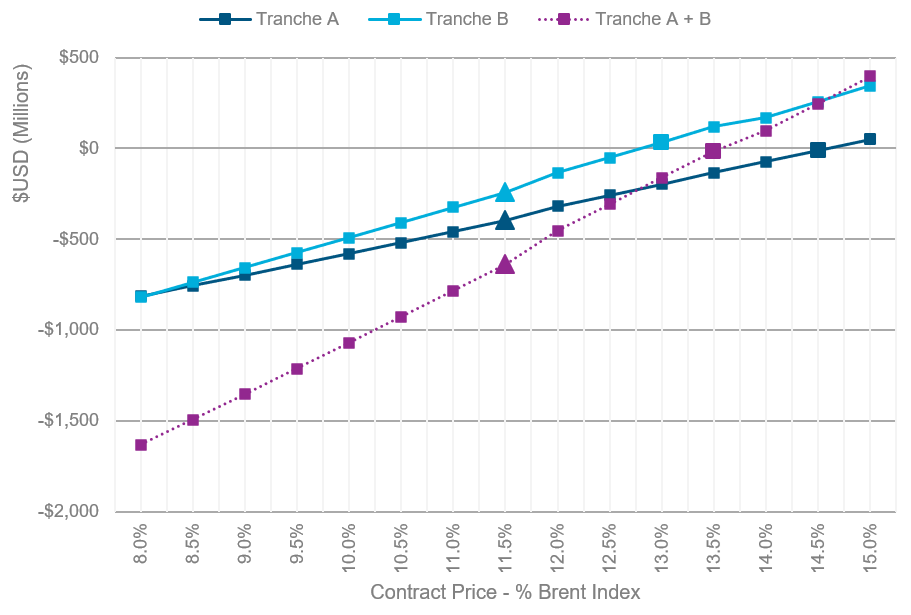
These scenarios examine the impact of changes in commodity prices or market relationships. Examples may include:
- higher gas prices
- lower power prices
- widening regional basis differentials
- changing spark spreads
Market scenarios are commonly used to understand exposure to key risk drivers.
Operational Scenarios
Not all risks originate from markets. Participants may also analyse scenarios involving:
- plant outages
- reduced production
- storage constraints
- transportation interruptions
These scenarios help connect operational realities with financial outcomes.
Strategic Scenarios
Longer-term scenarios are often used to support planning and investment decisions. Examples might include:
- increased renewable penetration
- changing LNG trade flows
- new infrastructure development
- shifts in regulatory policy
Strategic scenarios help participants evaluate future opportunities and risks that may unfold over several years.
Scenario Analysis vs Stress Testing
Scenario analysis and stress testing are closely related, but they are not identical.
Stress testing typically focuses on severe or adverse conditions designed to test resilience. Scenario analysis is broader. A scenario may represent:
- a favourable outcome
- a neutral outcome
- an adverse outcome
- a strategic market development
As a result, scenario analysis is often used more widely across planning, forecasting, and decision-support activities.
Common Pitfalls
Scenarios Are Good Predictions of Future Market Outcomes
A scenario is not a forecast. Its purpose is to explore possibilities and understand consequences rather than identify what will happen.
Market Variables Change One at a Time
Real markets rarely move one variable at a time. A power price increase, for example, may be accompanied by changes in gas prices, demand, volatility, or generation patterns.
The most useful scenarios consider the broader market context rather than isolated changes.
Simplified Scenarios Sufficiently Capture Portfolio Risks
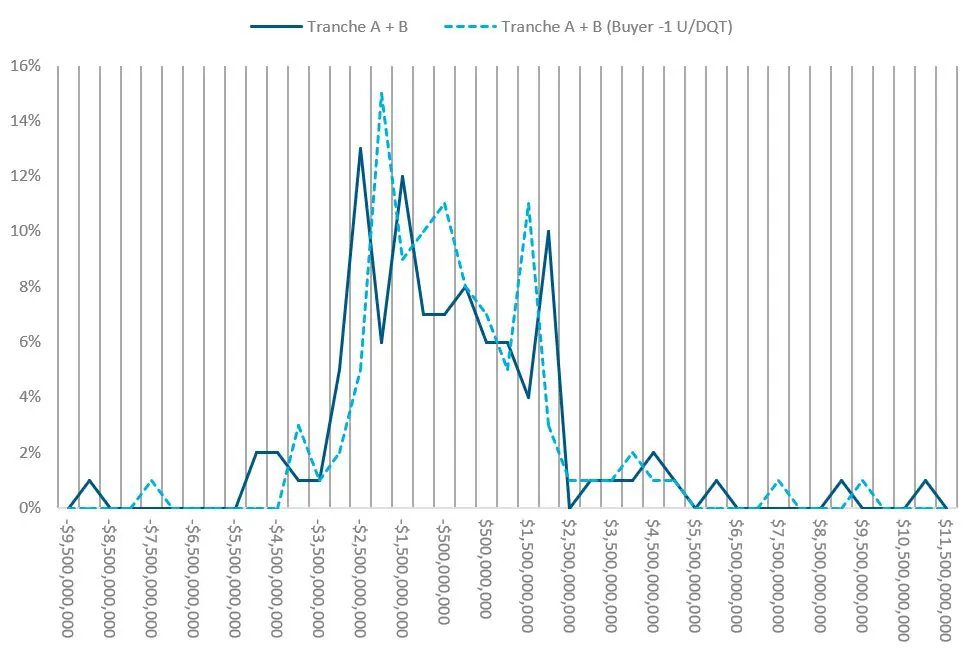
Large energy portfolios often contain interactions between multiple assets, contracts, and commodities. Simplified scenario analysis may overlook important portfolio effects and lead to misleading conclusions.
How Scenario Analysis is Used in Practice
Scenario analysis is widely used across trading, risk management, commercial, and executive decision-making functions. It’s typically used for:
- portfolio reviews
- hedging assessments
- budget planning
- capital investment decisions
- asset valuation
- risk committee reporting
As portfolios become larger and more interconnected, participants increasingly rely on integrated analytics solutions to apply scenarios consistently across valuation, optimisation, and risk management processes.
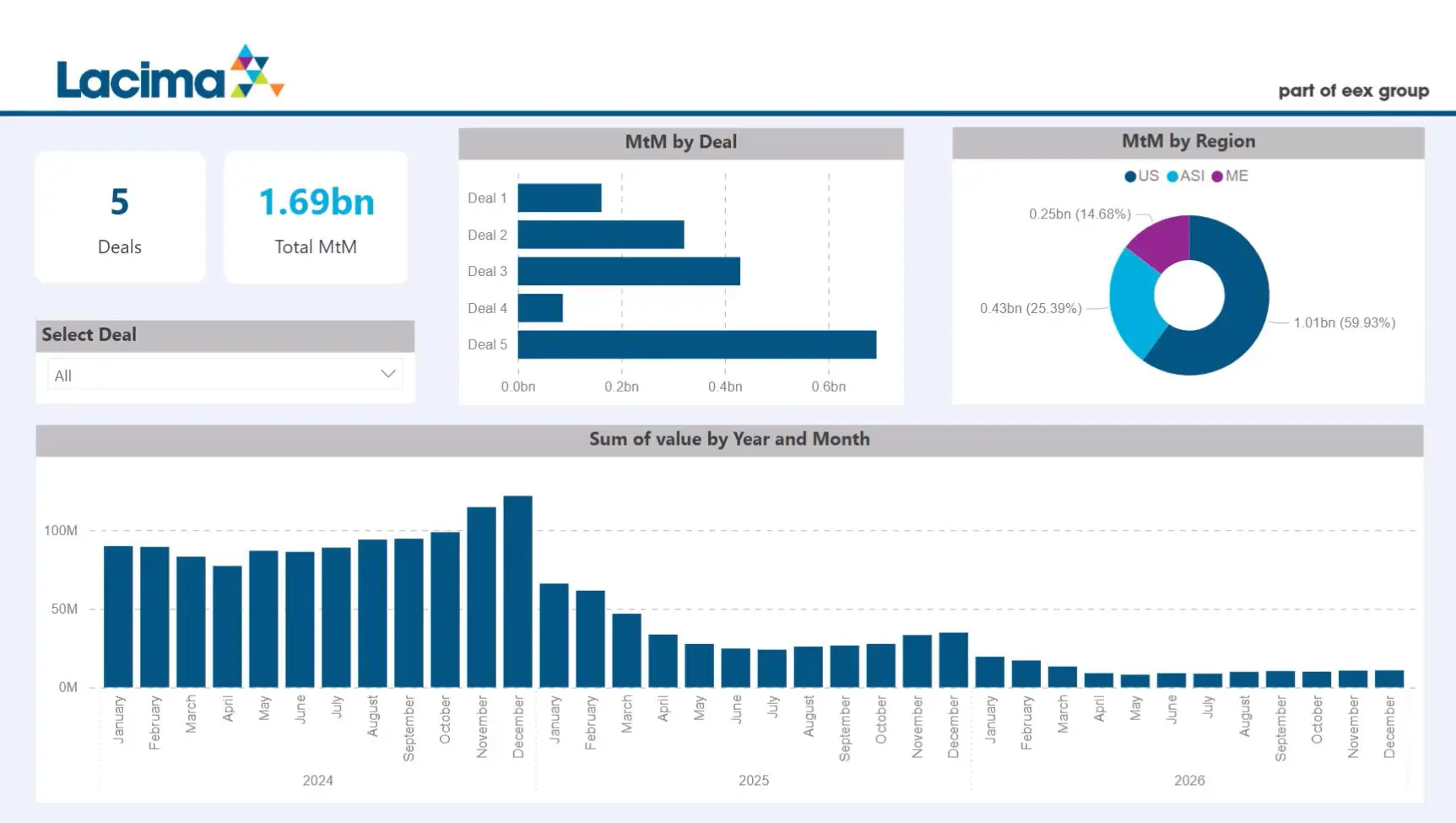
For example, Lacima Analytics supports scenario analysis alongside other market risk, credit risk, valuation and optimisation measures to help participants understand how changing market conditions may influence portfolio performance.
One-Sentence Takeaway
Scenario analysis helps participants understand how portfolios may perform under different market conditions, enabling more informed risk management and business decision-making.
Related Learning Resources
Learn how stress testing is used to assess portfolio resilience under severe but plausible market conditions and why it complements scenario analysis.
Understand how Value at Risk provides a statistical estimate of potential portfolio losses and how it fits within a broader risk framework.
What is Earnings at Risk (EaR)?
Explore how Earnings at Risk helps participants understand the potential impact of changing market conditions on future profitability.
What is Monte Carlo simulation?
Learn how simulation techniques are used to model uncertainty and evaluate a wide range of possible market outcomes.