
 Search
Learning | Energy & Commodity Derivatives
What is LNG Contract Optionality?
Introductory Summary
One of the defining characteristics of modern LNG markets is flexibility.
Unlike many traditional commodity supply agreements, LNG contracts often provide participants with choices regarding delivery timing, destination, cargo volumes, and sourcing arrangements. These choices can create significant commercial value, particularly when market conditions change unexpectedly.
LNG contract optionality refers to the flexibility embedded within LNG contracts that allows participants to respond to changing market opportunities, operational constraints, and price signals. For many LNG portfolio participants, this flexibility is the major source of both value and risk.
Definition
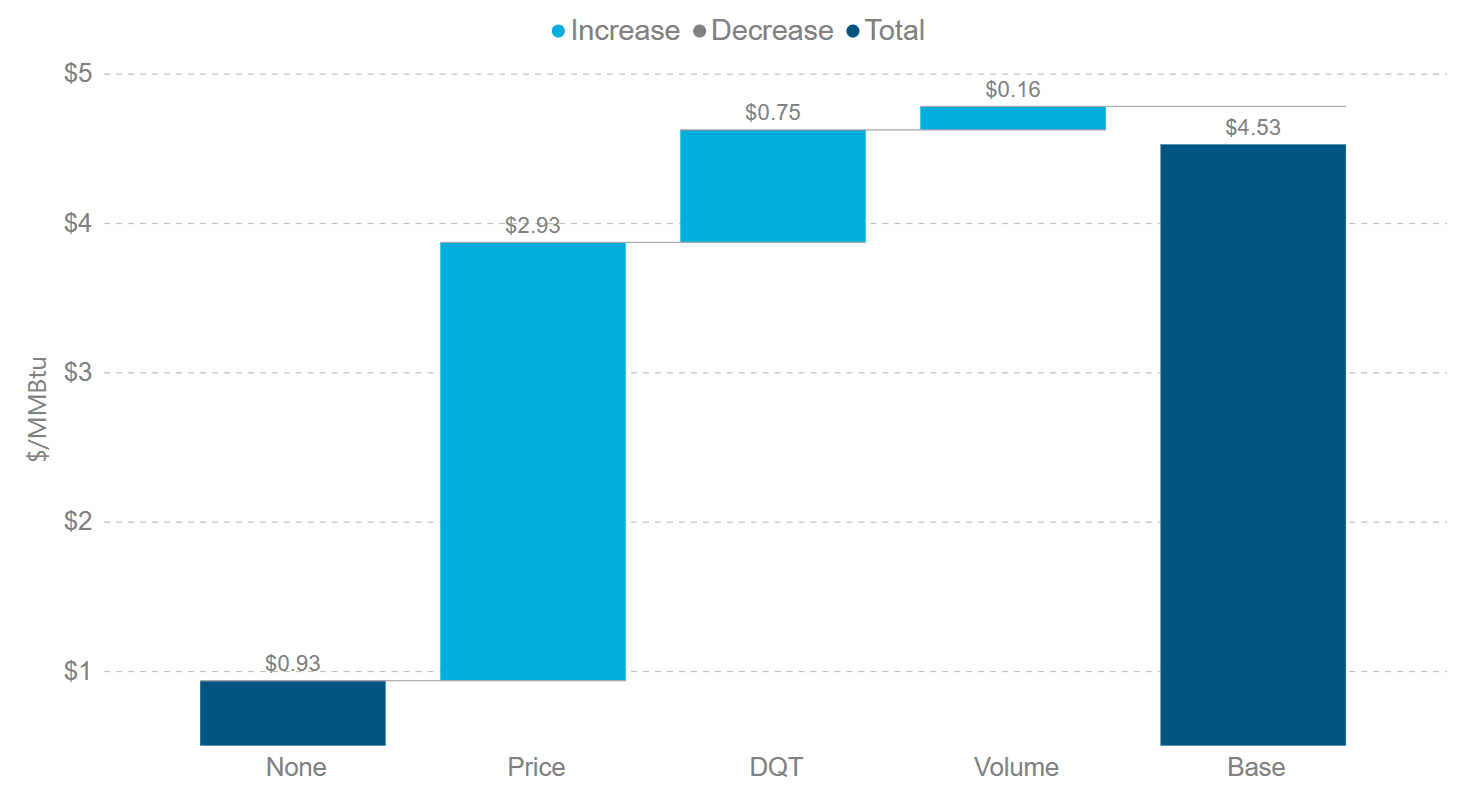
LNG contract optionality is the flexibility embedded within an LNG contract that allows the buyer and/or seller to make future commercial decisions that may improve outcomes. These decisions might relate to:
- where a cargo is delivered
- when a cargo is delivered
- how much LNG is purchased or supplied
- choice of alternative contractual pricing formulas
The value of this flexibility depends on future market conditions, which means LNG contract optionality is often uncertain and difficult to assess using simple valuation approaches.
Why Optionality Matters in LNG Markets
The LNG market is inherently global. A cargo loaded in one region may have several potential destinations, each with different prices, transportation costs, and demand conditions.
This means the ability to make future decisions can be highly valuable.
For example, a participant may initially expect to deliver LNG into one market but later discover that another destination offers significantly better economics. Contractual flexibility may allow them to capture that opportunity.
Without optionality, participants are often locked into a single commercial outcome regardless of how market conditions evolve.
Common Sources of LNG Contract Optionality
Destination Flexibility
Some LNG contracts allow cargoes to be redirected to alternative markets. This can enable participants to respond to changing regional price signals and market conditions.
Pricing Flexibility
Some LNG contracts allow counterparties to choose between different pricing formulas. This can help protect participants from movements in certain volatile markets and transfer their exposure to more stable markets.
Volume Flexibility
Certain agreements permit variations in contracted quantities within predefined limits. This flexibility can help participants adapt to changing demand requirements.
Timing Flexibility
The ability to adjust delivery windows can create value when market conditions differ from those anticipated when the contract was agreed.
Portfolio Flexibility
Participants managing multiple LNG contracts, shipping arrangements, and destinations may be able to optimise decisions across the broader portfolio rather than treating each contract independently.
LNG Contract Optionality in Practice
Consider an LNG participant with the right to deliver a cargo into either Europe or Asia. At the time the contract is signed, there may be little difference between the expected value of either destination.
Several months later, however, market conditions may have changed significantly. If Asian prices increase relative to European prices, the ability to redirect the cargo may create substantial additional value.
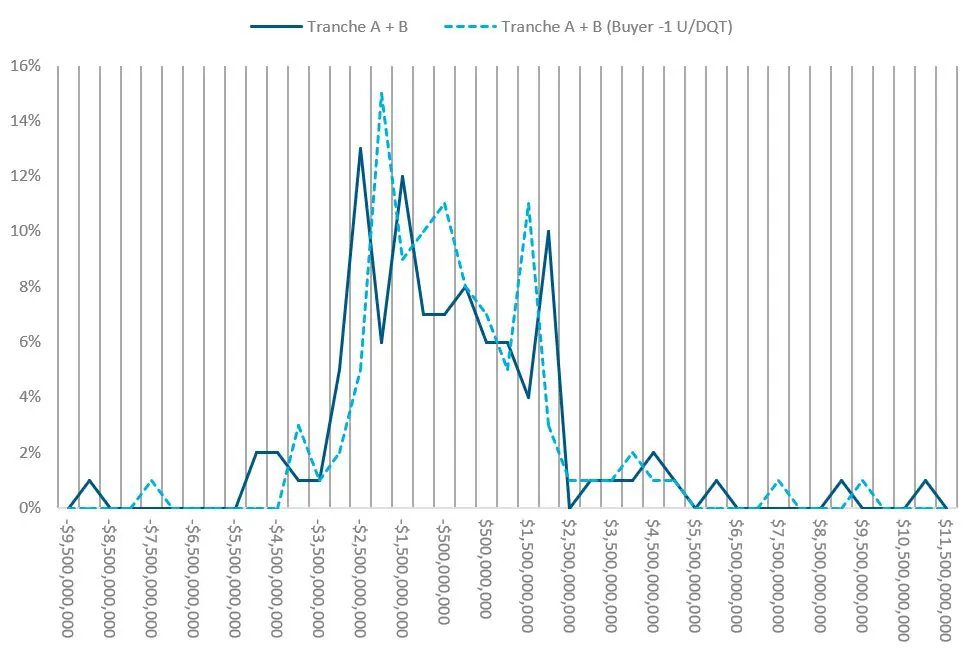
The participant benefits not because they accurately predicted future prices, but because they retained the flexibility to respond once those prices became known. Importantly, the economic value of this flexibility is effectively ‘priced in’ at the time of contract negotiation, reflecting expectations about future volatility, market spreads, and constraints rather than any single forecast outcome. As a result, the ability to assess the potential value of these options at the point of contracting is critical.
Common Misunderstandings
LNG Contracts Are Simply Fixed Supply Agreements
Many LNG contracts contain flexibility provisions that can materially influence their economic value. In some cases, the value of these embedded rights can be as important as the underlying commodity being supplied.
More Flexibility Always Creates More Value
Flexibility only creates value when it can be exercised advantageously. If market conditions do not support alternative decisions, optionality may have limited practical benefit. In addition, capturing this value requires the ability to evaluate complex and fast-changing market signals; in practice, participants may not always have the analytical capability, data integration, or optimisation tools required to consistently identify and act on optimal decisions.
Optionality Can Be Valued Using Current Market Prices Alone
The value of LNG contract optionality depends heavily on future uncertainty. Volatility, regional price relationships, shipping costs, and future market conditions can all influence the value of contractual flexibility.
Why LNG Contract Optionality Can Be Challenging to Value
Many forms of LNG optionality involve future decisions that depend on uncertain market outcomes. As a result, participants often need to evaluate numerous possible future scenarios rather than relying on a single forecast. Factors commonly considered include:
- forward price curves
- regional market spreads
- transportation economics
- contract constraints
- future market volatility
This complexity is one reason why LNG portfolio valuation frequently relies on advanced modelling and optimisation tools like Lacima’s LNG Deal & Portfolio Analysis solution.
How LNG Contract Optionality Is Managed
As LNG portfolios grow, optionality often exists across multiple contracts, counterparties, vessels, destinations, and time horizons. Understanding how these opportunities interact is increasingly difficult using manual analysis alone.
In practice, participants often rely on integrated valuation, optimisation, and risk management frameworks to evaluate contractual flexibility consistently across the broader LNG portfolio and support commercial decision-making. For example, LNG portfolio optimisation tools such as Lacima’s LNG Deal and Portfolio Analysis, together with their LNG Shipping Optimiser module, are used to effectively model cargo economics, shipping constraints, and destination optionality in a unified framework.
One-Sentence Takeaway
LNG contract optionality creates value by allowing participants to adapt contractual decisions to changing market conditions rather than being locked into a single commercial outcome.
Related Learning Resources
How to Value Flexible LNG Contracts?
Learn how practitioners value destination flexibility, cargo diversion rights, pricing alternatives, and other embedded contractual options within modern LNG contracts.
What is a Volatility Function?
Explore how volatility functions represent changing market uncertainty and support the valuation of embedded LNG contract optionality.
Explore how Value at Risk can be used to quantify potential losses from the market exposures created by LNG contracts, prices, and portfolio positions.
What is Monte Carlo simulation?
Understand one of the techniques commonly used to assess uncertain future market outcomes and embedded optionality.